If you have ever stood in the shower holding a bag of bath salts, wondering how you are supposed to use the things without a bathtub, you are not alone. Most people picture bath salts one way (dissolved in a full tub) and then discover they have a shower-only bathroom, no time for a 20-minute soak, or simply prefer a quick foot soak at the end of the day.
The short answer: dissolve about 1 cup of bath salts in a warm bath and soak for 15-20 minutes. No tub? Use the same salts in the shower, as a foot soak, as a body scrub, or as a hand soak - each takes less water and less time, and works just as well for winding down. The rest of this guide walks through exactly how to do each one, how much to use, and when to be a little more careful.

Methods at a glance
| Method | How much | How long | Best for |
| Full bath | 1 cup, dissolved under running water | 15-20 minutes | A proper wind-down at the end of the day |
| Shower | 2-3 tablespoons on the floor, or a handful in your palm | Length of a normal shower | No bathtub, or short on time |
| Foot soak | 1/2 cup in a large bowl | 15-20 minutes | Tired feet, a quick reset after a long day |
| Body scrub | 1 cup mixed with 1/2 cup oil | 2-3 minutes of gentle massage, then rinse | Exfoliating rough skin, elbows and heels |
| Hand soak | 1/2 cup in a bowl | 10 minutes | Dry, overworked hands |
Method 1: In the bath
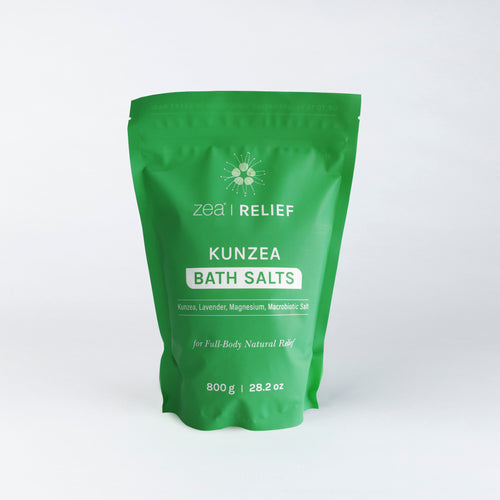
This is the method most people picture, and it is worth doing properly. Run a warm bath (comfortably warm, not scalding hot - hot water is harder on the skin and doesn't make the salts work any better) and add about 1 cup of Kunzea Bath Salts under the running tap so it dissolves as the bath fills.
Soak for 15-20 minutes. There's no need to rinse off afterwards - pat yourself dry with a towel and let your skin air-finish drying, which also helps whatever moisture the water has added to your skin stay put. Save the bath for a time when you can actually switch off for those 20 minutes; part of the benefit is simply the ritual of lying still with nowhere to be.

Method 2: In the shower
No tub, or no time for one? Bath salts still work in the shower, two ways:
The floor method: run the shower hot enough to build up steam, then sprinkle 2-3 tablespoons of bath salts onto the shower floor in a corner, away from where you stand. As the water and steam dissolve the salts, the essential oils in the blend lift into the steam so you breathe them in as you shower - a simple way to turn an ordinary shower into something a bit more indulgent. Keep the salts out from under your feet so the floor doesn't get slippery.
The scrub method: grab a small handful of bath salts, wet your skin, and rub the salts directly over your arms, legs or shoulders like a body scrub (see Method 4 below for the full version), then rinse off before you get out.
Method 3: Foot soak
A foot soak is the easiest way to use bath salts if you're pressed for time or don't have a bathtub at all. Fill a large bowl or basin with warm water, enough to cover your ankles, and stir in about 1/2 cup of bath salts until dissolved.
Sit somewhere comfortable and soak your feet for 15-20 minutes. It's an easy habit to build into an evening routine in front of the TV, or paired with a cup of tea, and it takes a fraction of the water and time a full bath does.

Method 4: Body scrub
Bath salts double as a gentle exfoliant. On wet skin, either rub a handful of salts directly over rough areas (elbows, heels, knees), or mix 1 cup of bath salts with 1/2 cup of a carrier oil - jojoba, coconut or whatever you have on hand - to make a thicker scrub that's easier to apply before you step into the shower.
Massage in small circles for 2-3 minutes, then rinse thoroughly. Keep this one to the body - the salt crystals are too coarse for the delicate skin on your face.
No bathtub? Here's another way to think about it
If a full bath simply isn't an option in your bathroom, the good news is bath salts were never only a bathtub product. Beyond the shower, foot soak and body scrub above, two more simple options are worth keeping in your back pocket:
Hand soak. Our hands do a lot of work through the day and rarely get any attention back. Mix 1/2 cup of bath salts into a bowl of warm water, place your hands in (check the temperature first) and swirl the salts around, or rub a little between your palms to work on dry patches and calluses. Soak for about 10 minutes.
Steam bowl. If you're feeling a bit blocked up or just want a moment of stillness, boil some water, pour it into a heatproof bowl with 2-3 tablespoons of bath salts, and - being careful not to touch the hot water - drape a towel over your head and the bowl and breathe in slowly for a few minutes. The Lavender and Kunzea in our blend add a calming scent to the steam.
Between the shower, the foot soak, the scrub and these two, there's a bath-salts method for pretty much any bathroom setup.
Bath salts vs Epsom salt
These two terms get used interchangeably, but they're not quite the same thing. Epsom salt on its own is a single mineral compound, magnesium sulfate, and nothing else. "Bath salts" is a broader term for a blend - our Kunzea Bath Salts combine Epsom magnesium with sea salts and Kunzea and Lavender essential oils for scent and skin feel, rather than being a single ingredient.
Whether topical magnesium is meaningfully absorbed through the skin in a bath is genuinely debated among researchers - the body's main, well-established source of magnesium is diet and supplementation1, and we don't make any claim that a bath salts soak delivers a therapeutic dose. What a warm soak reliably does is give you 15-20 minutes to slow down, which is worth something on its own2. If you're specifically after Epsom salt with nothing added, a plain Epsom product will do the job; if you want the scent and ritual as well, a blended bath salt is the more enjoyable option.
How much, how often and safety
Most people can use bath salts a few times a week without any issue. A few sensible precautions:
- Patch test first if you have sensitive skin or a history of skin reactions - rub a small amount of dissolved salts on your inner arm and wait 24 hours before a full bath, foot soak or scrub3.
- Avoid broken or irritated skin. Salt on a cut or graze stings and can slow healing - stick to unaffected areas.
- Keep the water warm, not hot. Very hot water dries out skin faster and doesn't add any benefit.
- Kids and pregnancy: bath salts are generally well tolerated, but check with your GP first if you're pregnant, have a medical condition, or are using them on a young child.
- Rinsing is optional. Most people towel off straight from a bath salts soak without rinsing, but rinse off if you've used a scrub with oil, or if your skin feels tight afterwards.
Frequently asked questions
How much bath salt should I use?
About 1 cup for a full bath, 1/2 cup for a foot or hand soak, and 2-3 tablespoons for the shower floor method or a steam bowl. Start on the lower end and adjust to taste.
Can you use bath salts in the shower?
Yes - sprinkle a small amount on the shower floor away from where you stand so the steam lifts the scent, or rub a handful directly onto wet skin as a quick scrub.
Do you rinse off after a salt bath?
It's optional. Most people simply towel off. Rinse if you've used bath salts as an oil-based scrub, or if your skin feels tight once you're out.
How often can you use bath salts?
A few times a week is fine for most people. If your skin feels dry or tight afterwards, space soaks out further apart and follow with a moisturiser.
What is the difference between bath salts and Epsom salt?
Epsom salt is a single mineral, magnesium sulfate, with nothing else added. Bath salts (like our Kunzea Bath Salts) are a blend - Epsom magnesium plus sea salts and essential oils for scent and feel.
Can you use bath salts without a bathtub?
Yes. Shower, foot soak, hand soak, body scrub and a simple steam bowl all use the same bath salts with no tub required - see the methods above for exact quantities.
Pair it with
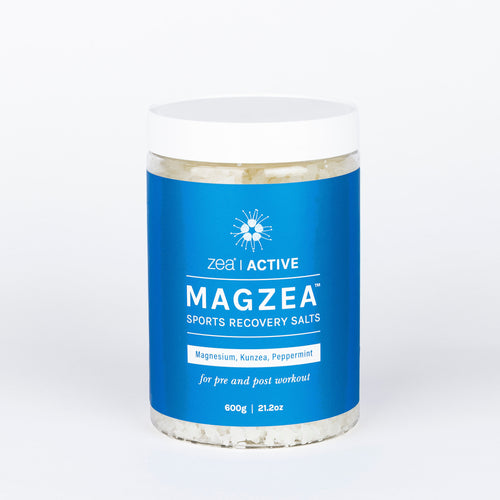
Our Kunzea Bath Salts are also part of the Muscle Revive Pack, paired with Kunzea Pain Relief Cream and our MAGZEA Sports Cooling Spray. If magnesium is what you're after specifically, our MAGZEA Muscle Recovery Salts are a magnesium-forward option, and the full Magnesium range covers sprays and other formats if a bath isn't your preferred way to use it. For more on magnesium day to day, see our guides on the benefits and uses of magnesium, magnesium sprays, and why magnesium oil can sting on application.
References
Sources open in a new tab so you do not lose your place.
- 1. healthdirect Australia. Magnesium and your health. View source.
- 2. Sleep Health Foundation. Good sleep habits. View source.
- 3. DermNet NZ. Patch tests. View source.