If you've stood in front of a shelf of grooming products wondering whether you need the oil, the balm, or both, the short answer is: it depends on how long your beard is, not how good your skin is. Beard oil is a lightweight blend of carrier and essential oils that conditions the hairs and the skin underneath them. Beard balm is the same idea with beeswax and butters added, which gives it enough structure to hold a shape. A three-day stubble doesn't need styling. A six-month beard usually does.
This article compares both properly, including when a balm is genuinely the better choice - because that honesty is more useful to you than a page that just tells you to buy everything.
What beard oil actually is
Beard oil is a blend of carrier oils, usually something light like jojoba or argan, sometimes with a small amount of essential oil for scent. It has no wax and no hold. Its job is conditioning: it softens the hair shaft so beard hairs feel less wiry, and it moisturises the skin at the root of each hair, which is the part most beard discomfort actually comes from.
Jojoba is a common base because it is unusually stable against oxidation compared with many plant oils, which matters for a product that sits open on a shelf for months3. That's the practical reason oil-based formulas favour it over heavier vegetable oils - it does the conditioning job without the heavy after-feel a thicker oil would leave on facial skin.
Because it has no wax, oil does not hold a shape, tame flyaways, or train a beard to grow in a particular direction. That's not a flaw in the product - it's simply not what oil is for.
What beard balm actually is

Balm starts from the same conditioning oils and adds beeswax, plus often a butter like shea, to the mix. Beeswax is what pharmaceutical formulation reviews classify as an occlusive: it forms a thin film on the surface that slows water loss and gives a product body and hold, rather than acting as a moisturiser itself2. That's the whole mechanical difference in one sentence - oil conditions from within the hair and skin, wax sits on top and holds things in place.
Because of that wax content, balm has to be worked between the palms to soften before it goes on, and it leaves a matte, styled finish rather than a shine. It genuinely trains and shapes a longer beard the way a light pomade shapes hair on your head.
Side by side: oil vs balm
| Question | Beard oil | Beard balm |
|---|---|---|
| What it is | Carrier oil + essential oil blend | Carrier oil + beeswax + butter |
| Base ingredients | Jojoba, argan, sweet almond | Same oils, plus Beeswax and Shea Butter |
| Texture | Liquid, absorbs in seconds | Solid balm, softens with body heat |
| What it does for the beard | Softens hair, cuts frizz and static | Softens hair, adds hold and shape |
| What it does for the skin underneath | Helps soften the feel of dry skin at the root | Minimal - the wax film sits on hair, not skin |
| Hold | None | Light to medium, all day |
| Best beard length | Stubble to ~5cm | 5cm and longer, or flyaways to tame |
| When to use | Daily, straight after showering on a damp beard | As needed for shape, over oil |
| Can you use both? | Yes - oil first, balm over the top once there's length to shape | Yes, same order |
The real deciding factor: beard length, not skin type

Most comparisons frame this as an either/or based on how oily or dry your skin is. In practice, length matters more. A beard under about five centimetres has nothing to hold - there's no flyaway to tame and no shape to set - so a balm on short stubble usually just sits there feeling stiff and slightly greasy without doing anything a light oil wouldn't already do better. Once a beard passes that point and starts developing its own texture and direction, a balm earns its place because there's finally something to train.
If you've got a short-to-medium beard and are only going to buy one product, oil is the more useful starting point for almost everyone. That's a straightforward statement, not a sales pitch: it is genuinely more versatile at that length, and layering in a balm too early is money spent on a problem you don't have yet.
The skin underneath is the part people forget
Most of what gets blamed on "beard itch" in the first few weeks isn't really about the beard hair at all - it's the skin at the base of each follicle reacting to new growth and to moisture loss underneath a layer of hair that traps heat and blocks airflow. That skin is being covered for the first time and needs the same basic conditioning your face gets everywhere else, just delivered through the hair rather than applied directly.
This is also where balm falls short of oil for a new beard grower: beeswax's occlusive film mostly interacts with the surface of the hair, not the skin at the root, so it doesn't reach the part that's actually uncomfortable2. A lightweight oil, worked right down to the skin rather than just brushed over the top of the hair, is the more direct fix.
Persistent flaking, redness or an itch that doesn't settle with regular conditioning is a different matter and can be a sign of seborrhoeic dermatitis, a common inflammatory skin condition that affects hair-bearing, oil-gland-rich areas of the face and scalp1. Neither beard oil nor balm is a treatment for that - if it doesn't improve with a few weeks of basic care, see a doctor or dermatologist rather than reaching for a heavier product.
How to apply each one properly
For oil: a few drops (three to five for stubble, five to eight for a longer beard) worked into damp, towel-dried skin and hair straight after a shower, when pores are open and the beard is ready to absorb it rather than repel it. Distribute with your fingers first, down to the skin, then finish with a wide-toothed comb to spread it evenly and train the direction of growth.
For balm: warm a pea-sized amount between your palms until it turns from solid to a workable paste - this only takes a few seconds of body heat - then work it through from the roots out, again on a damp rather than bone-dry beard, and comb through to set the shape. Balm is a finishing step, so apply oil first if you're using both; balm on its own, straight onto dry skin, is what causes the stiff, patchy result people complain about.
Building it into a full routine
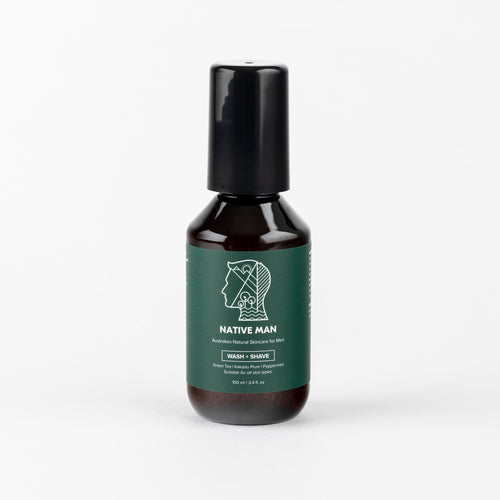
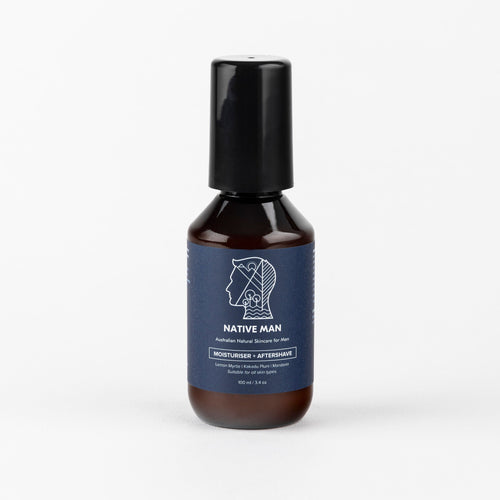
A beard routine that actually works starts before the oil or balm goes anywhere near your face. Wash first with something built for facial hair rather than a bar of ordinary soap, which strips the same oils you're about to try to replace - the Wash + Shave does that job. Apply oil (or oil, then balm) to a damp beard as described above, then follow up on the skin around it with a proper moisturiser, since a beard doesn't cover your whole face and the exposed skin still needs its own care. If you're starting from nothing, the grooming essentials trio or the face trio bundle the core pieces together rather than making you buy them one at a time.
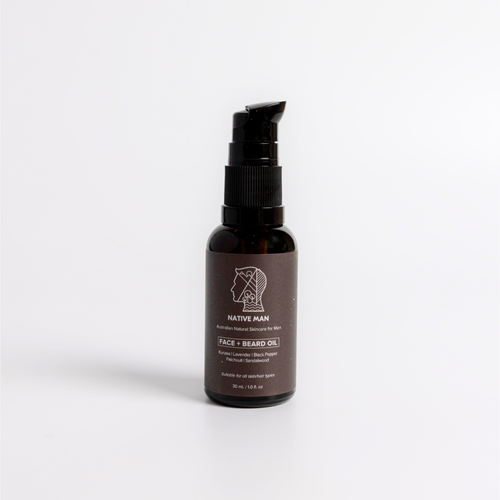
Zea's own 2-in-1 Face + Beard Oil is built as a single product for exactly the stubble-to-medium stage most people are actually at: it conditions the beard hair and can be worked into the rest of the face at the same time, rather than needing a separate facial oil. We don't make a balm, and if you've got a beard long enough to want real hold and shape, a dedicated balm from a specialist brand is the honest recommendation - that's a different product doing a different job, not a gap we're going to pretend doesn't exist. If your carrier oil questions run deeper than this article, the jojoba oil entry and argan oil entry in the Ingredient Glossary go into the individual oils in more depth. The full range sits in Native Man Skincare.
Frequently asked questions
Do I need both beard oil and beard balm?
Only if your beard is long enough to want shaping. For stubble through to a few centimetres, oil alone covers conditioning and there's nothing for a balm to hold. Past that point, many people use both - oil first, balm over the top for hold.
Can beard oil cause acne or breakouts?
A lightweight, non-comedogenic oil applied at the recommended amount is unlikely to. Breakouts under a beard are more often from a build-up of unwashed oil, sweat and skin cells than from the oil itself, which is why regular washing with a proper facial cleanser matters as much as the oil you put on afterwards.
Is beard balm bad for a short beard?
Not harmful, just usually the wrong tool - the wax has nothing to hold at that length, so it tends to sit stiffly rather than doing anything useful. Oil is the better fit until there's enough length to style.
How often should I use beard oil?
Daily is standard, applied straight after showering while the beard is still slightly damp and pores are open. Some people with drier skin do it twice a day; a very short beard may only need it every second day.
Why is my beard itchy in the first few weeks?
Usually the skin underneath, not the hair - new growth and moisture loss under a layer of hair that traps heat is the common cause, and it typically settles with a few weeks of regular conditioning. Itch that persists or comes with flaking is worth checking with a doctor rather than treating as normal beard-growing discomfort.
What's the difference between beard balm and beard wax?
They're closely related - wax is usually a firmer, higher-hold version of the same beeswax-and-oil idea, used for styling a longer beard into a specific shape rather than everyday conditioning. Balm sits in between oil and wax on the hold spectrum.
References
Sources open in a new tab so you don't lose your place.
- 1. Khimuk S, Andrusiewicz A, Mijas D, Nowicka D. Molecular Mechanisms in Seborrheic Dermatitis - Systematic Review. International Journal of Molecular Sciences. 2026;27(6):2799. View source
- 2. Huanbutta K, Chuttong B, Danmek K, Sriamornsak P, Suwanpitak K, Sangnim T. Beeswax in Pharmaceutical Sciences: A Comprehensive Review of Its Chemical Composition, Functional Applications, Types, and Formulation Roles. International Journal of Molecular Sciences. 2026;27(8):3486. View source
- 3. Fagoaga C, Moreno A, Fernández-Julián N, Castellano G. Oxidative Stability and Kinetics of Oxidation of Rosehip, Sunflower, Olive and Jojoba Oils. Antioxidants. 2026;15(5):646. View source