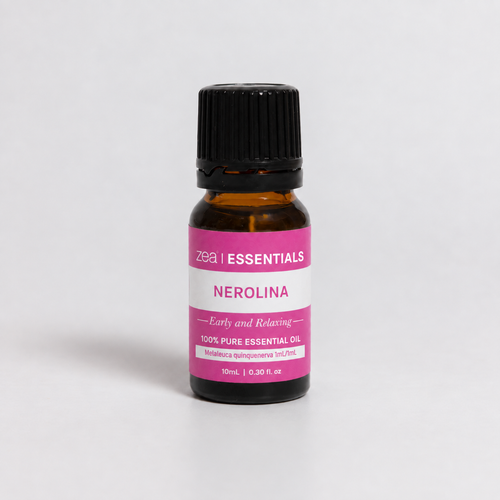
Nerolina essential oil comes from the same tree species as Niaouli oil, Melaleuca quinquenervia, but from a genetically distinct chemotype that produces a softer, sweeter oil dominated by (E)-nerolidol and linalool rather than 1,8-cineole. It is often described as the gentler member of the Melaleuca family, and the chemistry backs that up: where Niaouli smells sharp and medicinal, Nerolina leans floral and green. Understanding that distinction, called a chemotype, is the key to understanding what Nerolina actually is and why it is not simply "Tea Tree, but milder."
If you have seen Nerolina, Niaouli and Tea Tree oil sitting side by side and assumed they are near-interchangeable "tea tree family" oils, this guide untangles what actually separates them, and where Nerolina's closer cousin, Rosalina, fits in.
The Melaleuca comparison, at a glance
Chemotype is the detail most guides skip, and it is the one that matters most for choosing between these oils. The table below sets out the dominant constituents identified by gas chromatography-mass spectrometry (GC-MS) analysis of each oil1.
| Feature | Nerolina | Rosalina | Niaouli | Tea Tree |
|---|---|---|---|---|
| Botanical name | Melaleuca quinquenervia (linalool/nerolidol chemotype) | Melaleuca ericifolia | Melaleuca quinquenervia (cineole chemotype) | Melaleuca alternifolia |
| Dominant constituents | (E)-nerolidol 48.40%, linalool 33.30%1 | Linalool 38.19%, 1,8-cineole 27.57%1 | 1,8-cineole 52.20%, alpha-pinene 9.75%1 | Terpinen-4-ol 37.66-44.28%, gamma-terpinene 16.42-20.75%1 |
| Aroma | Sweet, floral, green, mild | Soft floral with a light medicinal edge | Sharp, camphoraceous, medicinal | Warm, medicinal, slightly peppery |
| Feel on skin (diluted) | Described as the gentlest of the group | Gentle, well tolerated | More stimulating, sharper sensation | Can be more intense; always dilute |
| Regulatory status (as sold by Zea) | Cosmetic essential oil, not a listed medicine | Cosmetic essential oil, not a listed medicine | Cosmetic essential oil, not a listed medicine | Cosmetic essential oil, not a listed medicine |
What Nerolina actually is
Nerolina oil is steam distilled from Melaleuca quinquenervia, commonly known as the broad-leaved paperbark. It is a tree of Australian coastal wetlands, described in the New South Wales flora record as growing 10 to 15 metres high with distinctive papery bark, lance-shaped leaves with five prominent longitudinal veins, and dense spikes of white or cream flowers. It occurs widely in coastal swamps and around lake margins from around Botany Bay north through New South Wales and into Queensland2. That swamp and paperbark habit is where the "paperbark" name comes from, and it is the same tree, botanically, that produces Niaouli oil.
The word "Nerolina" is a trade name rather than a botanical one; you will not find it in a flora reference. It refers specifically to oil distilled from the linalool and nerolidol-dominant chemotype of the species, and the name is a nod to the sweet, neroli-like facet of its aroma. Zea's Nerolina Essential Oil sits alongside Zea's Australian native essential oils as a distinct entry in the Melaleuca family, not a lower-strength Tea Tree substitute.
What a chemotype actually is
A chemotype is a population within a single plant species that consistently produces a different dominant chemical profile in its essential oil, without necessarily looking different from other members of the same species. Genetics, soil, climate and regional isolation can all push a species toward one chemotype or another over time. It is a distinct concept from a subspecies or variety, which usually involves visible morphological differences as well.
Melaleuca quinquenervia is one of the clearest documented examples of this in the essential oil world. A 2023 comparative GC-MS and HPTLC analysis of Melaleuca oils examined two separate chemotypes of the species side by side: one, labelled MNe in the study, yielded an oil in which "(E)-nerolidol (48.40%) and linalool (33.30%)" were the most abundant constituents; the other, labelled MNi, yielded an oil dominated by "1,8-cineole (52.20%)," along with smaller amounts of alpha-pinene and nerolidol1. The study identifies the linalool-rich chemotype as the source of nerolina oil and the cineole-rich chemotype as the source of niaouli oil, from what is otherwise the same species of paperbark tree.

This is the detail worth remembering if you take away nothing else from this article: Nerolina and Niaouli are not two different trees, and they are not one oil sold under two marketing names. They are the same species expressing two different, well-documented chemical profiles, distilled and sold separately because those profiles smell and feel genuinely different in use.
Nerolina vs Niaouli: same tree, different oil
Because Niaouli and Nerolina come from the same species, the practical differences come down almost entirely to that chemotype split. Niaouli's cineole-dominant profile gives it a sharper, more medicinal, camphor-like character, closer in feel to Eucalyptus. Nerolina's nerolidol and linalool-dominant profile gives it a softer, sweeter, more floral-green character, which is where its reputation as "the gentler Melaleuca" comes from1. Neither is a treatment for any condition; the difference is aroma and how each blend feels when diluted and used cosmetically.
This also explains why product listings for Nerolina and Niaouli sometimes look confusingly similar at a glance, both citing "Melaleuca quinquenervia" as the botanical source. The genus and species are correct for both; the chemotype is the detail that actually distinguishes the bottle in front of you.
Where Rosalina fits between the two
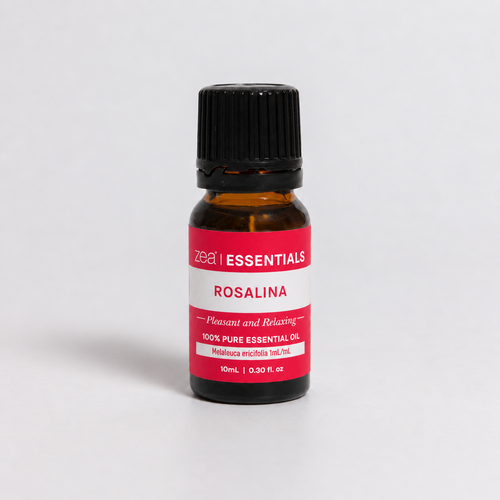
Rosalina oil comes from a different but related species, Melaleuca ericifolia, described in the New South Wales flora record as a shrub or small tree to 8 metres with corky bark, narrow linear leaves and dense white flower spikes, occurring naturally in heath, dry forest, stream banks and low-lying coastal swamps from the New South Wales Hastings River south through Victoria and Tasmania3. Chemically, its oil sits between Nerolina and Niaouli: linalool is the leading constituent at 38.19%, similar in character to Nerolina, but it carries a meaningful secondary fraction of 1,8-cineole at 27.57%, giving it a touch of Niaouli's brightness alongside Nerolina's softness1.
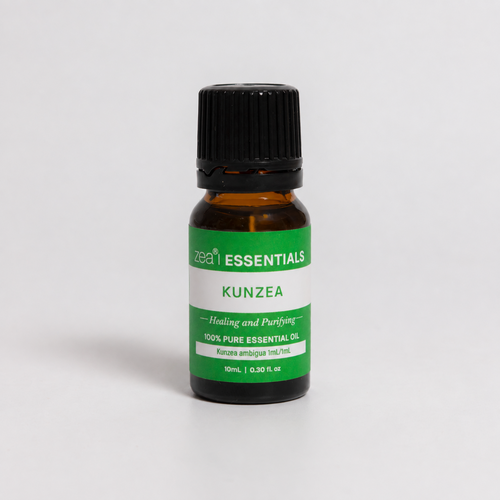
In practice, that makes Zea's Rosalina Essential Oil a useful middle ground for anyone who finds Nerolina almost too sweet on its own, or Niaouli a touch too sharp for a bedtime blend. It is a different species again to Zea's Kunzea Tasmania Essential Oil, which comes from Kunzea ambigua, a related but separate genus within the same Myrtaceae family. If you want the fuller Myrtaceae family picture, the Library also covers how Kunzea compares to two further relatives in Kanuka vs Kunzea vs Manuka Oil.
Aroma profile and blending
Nerolina's nerolidol and linalool-forward profile gives it a soft, sweet-floral top note with a faint green, almost citrus-adjacent undertone, quite different from the medicinal punch typically associated with the wider Melaleuca and Tea Tree family. That gentler aroma is exactly why it blends well as a softening note in a diffuser mix, rather than dominating it. It pairs naturally with other floral or citrus-forward oils, and works as a milder alternative in blends where a sharper Melaleuca oil like Niaouli or Tea Tree would otherwise dominate the top note.

As with any essential oil in the Melaleuca family, Nerolina is a concentrated aromatic extract, not a finished skincare product. It is intended for diffuser use or for dilution in a carrier oil before any topical application, following the same general dilution practice used across Zea's Fragonia Essential Oil.
Practical use: dilution, patch testing and why it is often described as gentler
Nerolina's reputation as the gentler Melaleuca oil is a fair one given its chemistry, but "gentler" is a relative description, not a guarantee. Sensible practice for Nerolina, as for any essential oil, includes:
- Dilute before topical use. Mix a small number of drops into a neutral carrier oil (such as jojoba or sweet almond oil) rather than applying Nerolina neat to skin.
- Patch test first. Apply a small diluted amount to an inconspicuous area of skin and wait 24 hours before wider use, particularly the first time you try a new oil.
- Avoid broken or irritated skin. As with all essential oils, keep it away from eyes, mucous membranes and compromised skin.
- Check with a health professional if pregnant, breastfeeding, or using on children. Essential oil safety data varies by life stage, and a GP or qualified aromatherapist is best placed to advise.
- Store away from direct sunlight and heat to preserve the oil's aroma and stability over time.
None of this makes Nerolina a therapeutic product. It is sold and used as a cosmetic essential oil, valued for its aroma and blending qualities, not as a treatment, cure or prevention for any named condition.
Frequently asked questions
What is Nerolina essential oil?
Nerolina is an essential oil steam distilled from a specific chemotype of Melaleuca quinquenervia, the broad-leaved paperbark tree, distinguished by a high proportion of (E)-nerolidol and linalool rather than the 1,8-cineole that dominates the Niaouli chemotype of the same species1.
Is Nerolina the same as Tea Tree?
No. Nerolina comes from Melaleuca quinquenervia, while Tea Tree oil comes from a different species, Melaleuca alternifolia. Tea Tree's oil is dominated by terpinen-4-ol, a different chemical profile again from either of Nerolina's parent chemotypes1. Both are members of the wider Melaleuca genus, but they are not interchangeable oils.
What is a chemotype?
A chemotype is a population within one plant species that reliably produces a different dominant essential oil chemistry, without a visible difference in appearance from other members of the same species. Melaleuca quinquenervia is a documented example, with separate linalool/nerolidol (Nerolina) and cineole (Niaouli) chemotypes identified within the one species1.
How do you dilute Nerolina oil?
Mix a small number of drops of Nerolina into a neutral carrier oil, such as jojoba or sweet almond oil, before any topical use, and patch test on a small area of skin first. It is not intended to be applied neat.
Is Nerolina gentler than Tea Tree?
Nerolina is commonly described as gentler because its dominant constituents, nerolidol and linalool, produce a softer aroma and feel than the terpinen-4-ol-dominant profile of Tea Tree oil or the cineole-dominant profile of Niaouli. That said, all essential oils in this family should still be diluted and patch tested before use, regardless of reputation.
References
Sources open in a new tab so you don't lose your place.
- 1. Vazquez, A., Tabanca, N. & Kendra, P.E. HPTLC Analysis and Chemical Composition of Selected Melaleuca Essential Oils. Molecules 28(9):3925, 2023. View source
- 2. PlantNET, The NSW Plant Information Network System, Royal Botanic Gardens Sydney. Melaleuca quinquenervia (Cav.) S.T.Blake. View source
- 3. PlantNET, The NSW Plant Information Network System, Royal Botanic Gardens Sydney. Melaleuca ericifolia Sm. View source