
You treated it. You rested it. You iced it, stretched it, maybe even saw a physio. And for a while, it felt better. So why is the pain back?
If you've been dealing with recurring joint pain, you're far from alone. For many people, it isn't a one-time event, it becomes a frustrating cycle of flare-ups and short-lived relief. And the hardest part? It can feel like your body just won't cooperate, no matter what you do.
The good news is that once you understand why the pain keeps returning, you can actually start doing something about it. In this blog, we're breaking down the real reasons joint pain comes back, and what a more complete, natural approach to managing it looks like.
What’s Actually Happening In Your Joints?
To understand why joint pain keeps coming back, it helps to have a simple picture of what's going on inside.
Your joints are cushioned by cartilage, held together by ligaments, and lined by a thin, fluid-filled membrane. When a joint is injured or put under stress, your body sends a rush of healing activity to the area; warmth, swelling, tenderness. That's inflammation, and in the short term, it's actually your body doing the right thing.
The problem is when that inflammation doesn't fully settle. Research shows that the immune system can sometimes stay in a low-level "alert" state in the joints long after the original injury or trigger has passed. The joint lining stays irritated, fluid keeps building up, and over time, that leads to the ongoing stiffness and aching so many people know well.
Even in osteoarthritis, which most people think of as just "wear and tear", researchers now know that this kind of ongoing inflammation plays a significant role.

The Most Common Reasons For Joint Pain
1. The inflammation was managed, not resolved
Feeling better doesn't always mean the inflammation is gone. Many approaches - rest, over-the-counter tablets, do a great job of calming the sensation of pain, but they don't always address what's driving it underneath. Research found that pain can continue long after visible swelling has reduced, because certain cells involved in inflammation stay active and keep sending pain signals.
2. The surrounding muscles are doing too little
Joints don't work in isolation. The muscles around them provide support and take a lot of the load off the joint itself. When those muscles are weak or out of balance, from sitting for long periods, avoiding movement due to pain, or not strength training, the joint absorbs more pressure than it should. The Arthritis Foundation points out that muscle weakness is one of the key factors that keeps joint pain going.
3. What you're eating may be keeping inflammation alive
Diet has a real and measurable effect on inflammation in the body. A diet high in processed foods, refined sugars and fried foods encourages the body to stay in an inflamed state, and that shows up in the joints. A 2024 study of multiple clinical trials found that diets rich in omega-3 fatty acids and plant-based antioxidants significantly reduced pain and improved movement in people with joint conditions.
4. Poor sleep and stress are making it worse
Stress isn't just a mental experience, it has physical effects throughout the body, including turning up the dial on inflammation. Sleep is where your body does a lot of its repair work, including in the joints. Research found that people with joint conditions who sleep poorly experience significantly more pain than those who sleep well. It's a cycle: pain disrupts sleep, poor sleep worsens pain.
5. Old injuries can change the joint - permanently
A previous injury may not just disappear. Even when something feels fully healed, the structure of the joint may have shifted slightly, and that makes it more sensitive to flare-ups with cold weather, overuse, or increased activity. This is why an ankle you sprained years ago can still play up, or a knee you hurt playing sports in your twenties can cause trouble later in life.
How To Actually Break The Cycle
Keep moving - gently and consistently
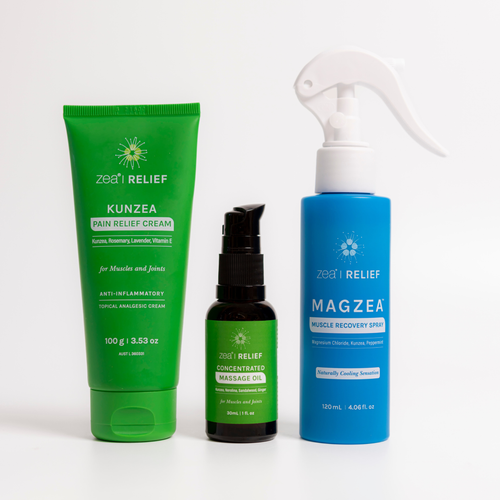
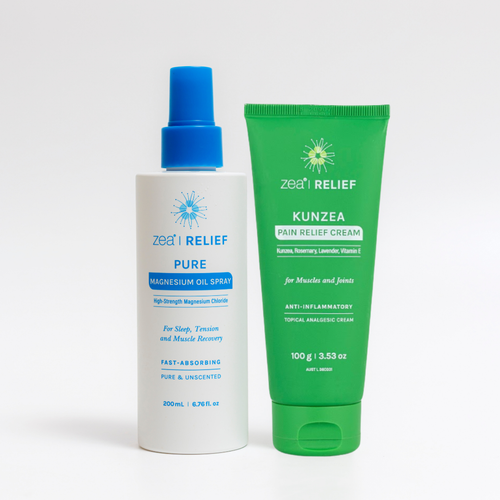
Regular, gentle movement keeps the joint lubricated, strengthens the surrounding muscles, and actually helps reduce inflammation over time. UCLA Health recommends low-impact activities like walking, swimming, cycling, and yoga. If your muscles feel sore or tight after activity, supporting your recovery matters just as much as the movement itself. Zea's Magnesium Oil Topical Spray is a great post-exercise companion, helping to relax tired muscles, ease tension, and support the recovery process so you can keep moving consistently. Consistency matters far more than intensity.

Eat to reduce inflammation
The Arthritis Foundation highlights the Mediterranean diet as one of the most well-supported eating approaches for joint health. Even small, consistent shifts make a difference:
• Fatty fish like salmon and sardines (2–3 times a week)
• Colourful fruits and vegetables
• Olive oil instead of vegetable or seed oils
• Nuts, seeds, and legumes as everyday staples
• Less processed food, added sugar, and alcohol
Take sleep and stress seriously
Simple practices that genuinely help:
-
a consistent bedtime
-
winding down without screens
-
gentle stretching before sleep
-
finding even 10 minutes of calm in your day
Aromatherapy with calming essential oils like Lavender is another gentle, natural tool many people find helpful for switching off at night.
Support Your Joints With Natural Topical Relief
While lifestyle changes work from the inside out, topical support provides targeted relief directly where it's needed.
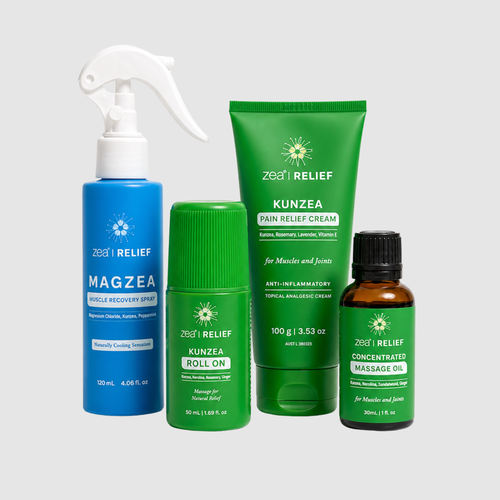
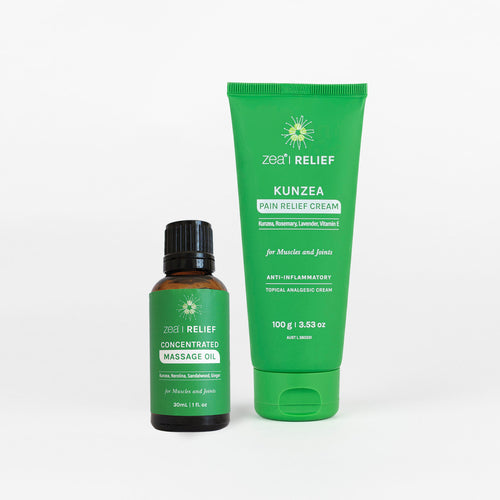
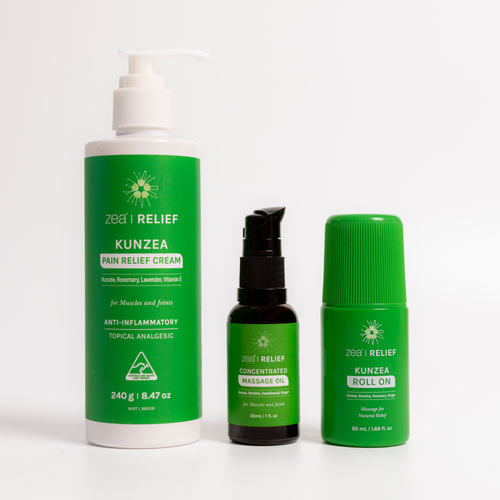
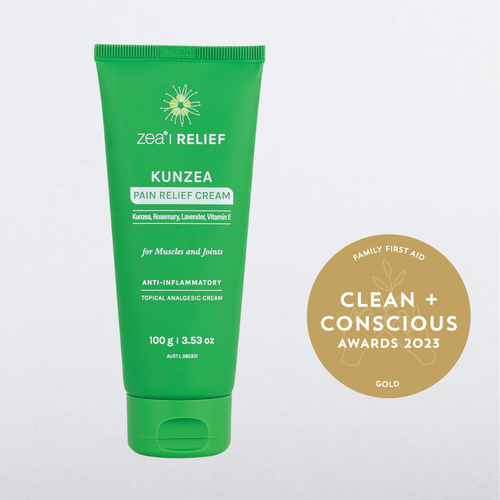
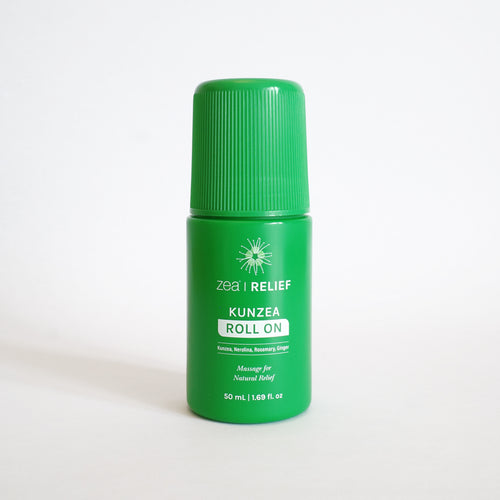
The Zea Relief range, including the Kunzea Pain Relief Cream, Kunzea Roll On, and Concentrated Massage Oil is designed to deliver targeted, natural support exactly where you need it. At the core of each product is Kunzea ambigua, a native Australian botanical traditionally used for its powerful soothing and restorative properties.

These formulations are expertly developed with a blend of plant-based actives known for their therapeutic benefits. Ingredients like kunzea, along with complementary essential oils, work together to help ease discomfort, support recovery, and promote pain relief.
It’s important to note that these products are not intended to treat, cure, or fully resolve underlying inflammation. Instead, they are designed as a supportive and complementary form of natural relief, working alongside healthy lifestyle habits such as movement, recovery, and overall joint care.
Unlike oral pain relief, topical application allows these ingredients to be delivered directly to the affected area. This means support is localised, working right at the source of discomfort, rather than throughout the entire body. It’s a simple, effective way to provide ongoing relief while supporting the body’s natural recovery process.
Small Steps, Lasting Change
Recurring joint pain rarely has one single cause, and it rarely responds to one single fix. But that also means there are multiple ways to start making a difference.
Movement. Food. Sleep. Stress. Topical support. Each piece of the puzzle matters, and together they give your body the environment it needs to heal, settle, and stay settled.
If joint pain keeps coming back, it's worth asking: which of these areas haven't I really addressed yet? That's usually where the answer is.
Ready to support your joints naturally? Explore the Zea range, formulated with native botanicals for targeted, plant-based comfort right where you need it.
References
-
Arthritis Foundation. Causes of inflammatory joint pain. https://www.arthritis.org/health-wellness/healthy-living/managing-pain/understanding-pain/causes-of-inflammatory-joint-pain
-
Arthritis Foundation. Natural relief for arthritis pain. https://www.arthritis.org/health-wellness/healthy-living/managing-pain/pain-relief-solutions/natural-relief-for-arthritis-pain
-
Arthritis Foundation. The ultimate arthritis diet. https://www.arthritis.org/health-wellness/healthy-living/nutrition/anti-inflammatory/the-ultimate-arthritis-diet
-
Cleveland Clinic. (2023). Joint pain. https://my.clevelandclinic.org/health/symptoms/17752-joint-pain
-
Godman, H. (2021, July 1). Chronic inflammation and your joints. Harvard Health Publishing. https://www.health.harvard.edu/pain/chronic-inflammation-and-your-joints
-
Khamoushi, F., Soleimani, D., Najafi, F., Ahmadi, N., Heidarzadeh-Esfahani, N., Anvari, B., Shakiba, E., & Pasdar, Y. (2023). Association between dietary inflammatory index and musculoskeletal disorders in adults. Scientific reports, 13(1), 20302. https://doi.org/10.1038/s41598-023-46429-w
-
Lin, C. L., Chen, H. C., Huang, M. H., Huang, S. W., & Liao, C. D. (2024). Comparative Efficacy of Various Exercise Therapies and Combined Treatments on Inflammatory Biomarkers and Morphological Measures of Skeletal Muscle among Older Adults with Knee Osteoarthritis: A Network Meta-Analysis. Biomedicines, 12(7), 1524. https://doi.org/10.3390/biomedicines12071524
-
Nguyen, S., Kaufman, M., Shetty, M., Rovzar, C., Friedlander, A., & Fredericson, M. (2025). Lifestyle Interventions and Supplements for Joint and Arthritis Pain: A Narrative Review. American journal of lifestyle medicine, 15598276251395980. Advance online publication. https://doi.org/10.1177/15598276251395980
-
UCLA Health. (2024, November). Managing arthritis? 6 natural ways to improve mobility and reduce pain. https://www.uclahealth.org/news/article/managing-arthritis-6-natural-ways-improve-mobility-and
![Kunzea Pain Relief Cream [Value Pack]](http://www.zea.com.au/cdn/shop/files/Neutral_Images_Website_1080_x_1080_12_aeeb7fb5-6b18-4315-99ea-c7a97403e37a.png?v=1776732033&width=500)


