Have you ever climbed into bed feeling exhausted, only to find your mind racing and your body unable to relax? Stress is one of the most common reasons people struggle to fall asleep or stay asleep. When your body is under stress, it activates systems designed to keep you alert and ready to respond to challenges. Unfortunately, those same systems can make it difficult for your body to wind down at night.
Understanding why stress interferes with sleep can help you take steps to calm your mind and body so you can rest more easily.
In this blog, we’ll explore how stress affects your body and nervous system, why it can cause muscle tension and inflammation, and how these factors make it harder to sleep. We’ll also share practical strategies like magnesium, aromatherapy, and bedtime routines, to help you relax and get better rest.
How Stress Affects Your Ability to Sleep
Stress triggers a series of physiological changes in the body. When you experience stress, whether from work, personal responsibilities, or ongoing worries, your brain activates what’s known as the fight-or-flight response.
This response is controlled by the sympathetic nervous system, which prepares your body to respond to potential threats. When activated, it releases stress hormones such as cortisol and adrenaline. These hormones increase alertness, raise heart rate, and keep your brain active.
While this response is useful during the day, it becomes problematic at night. Sleep requires the opposite state: a calm body and a relaxed nervous system. When stress keeps the sympathetic nervous system active, your brain struggles to switch into the parasympathetic nervous system, sometimes called the “rest and digest” state, which is necessary for sleep.
As a result, you may experience:
-
difficulty falling asleep
-
waking frequently during the night
-
feeling “tired but wired”
-
restless or shallow sleep
Why Stress Causes Muscle Tension
Stress doesn’t just affect your thoughts, it also affects your body.
When the fight-or-flight response is activated, muscles naturally tighten. This tension prepares the body for movement or protection. However, when stress becomes chronic, that muscle tension can linger throughout the day and into the evening.
Common areas where people hold stress-related tension include:
-
the neck and shoulders
-
the upper back
-
the jaw
-
the lower back
Tight muscles can make it uncomfortable to relax in bed and may contribute to aches or stiffness that interrupt sleep. Many people find their body still feels “switched on” even when they want to rest.

How Stress Affects Your Nervous System and Inflammation
Stress doesn’t just affect your mind, it also impacts your nervous system and immune responses. When you experience stress, your body activates the sympathetic nervous system, releasing hormones like cortisol and adrenaline. These hormones increase alertness, heart rate, and keep your brain active, helpful during the day, but problematic at night when sleep requires a calm, relaxed state.
Chronic stress can also disrupt your body’s inflammatory balance, increasing pro-inflammatory molecules that contribute to muscle soreness, heightened pain sensitivity, and general discomfort. This combination of nervous system activation and inflammation makes it harder to relax, fall asleep, and stay asleep.
Symptoms you might notice include:
-
Racing thoughts
-
Faster heartbeat
-
Shallow breathing
-
Muscle tension or soreness
-
Difficulty relaxing at night
Supporting relaxation through gentle stretches, magnesium, or calming aromatherapy, can help your body shift from a stressed, alert state to a restful, sleep-ready state.
Chronic stress also affects other systems in the body, including your heart, lungs, and digestive system. Elevated heart rate, rapid breathing, and digestive discomfort can all make it harder to relax and fall asleep.
How Magnesium Supports Relaxation
Magnesium is an essential mineral involved in hundreds of biochemical reactions in the body, including processes that regulate the nervous system and muscle function.
Research suggests magnesium may help support relaxation by:
-
regulating neurotransmitters involved in sleep and calmness
-
supporting normal muscle relaxation
-
helping regulate the body’s stress response
-
easing muscle tension
Low magnesium levels have been associated with increased muscle tension and sleep disturbances in some individuals. Because magnesium plays a role in calming nerve activity and supporting healthy muscle function, it is often discussed as part of a broader approach to relaxation and sleep support.
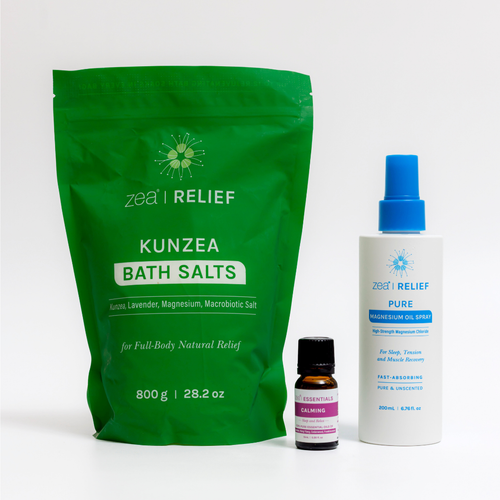
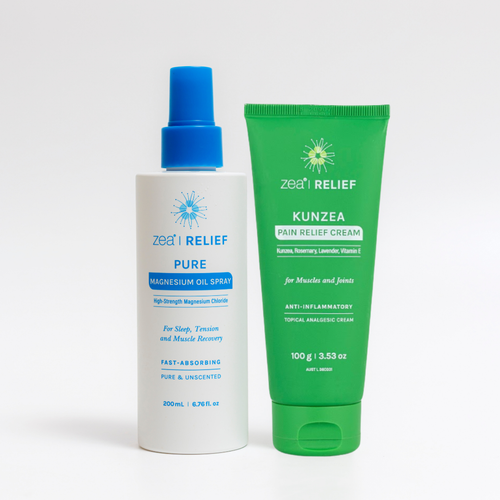
Magnesium can be taken orally or applied topically. Try our Magnesium Oil Topical Spray to target tense muscles directly, while avoiding possible digestive effects from oral supplements.

The Calming Effects of Aromatherapy
Scent can have a powerful influence on the brain and nervous system. Certain plant-derived essential oils are commonly used in aromatherapy because of their relaxing properties.
For example:
-
Lavender Essential Oil has been widely studied for its calming effects and its ability to promote relaxation before sleep.
-
Chamomile Essential Oil is traditionally used to support relaxation and reduce feelings of tension.
-
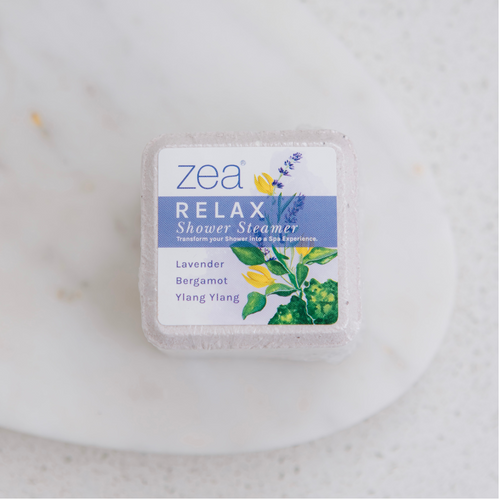
Bergamot Essential Oil may help promote relaxation and support a calmer mood, which can be beneficial when winding down before bedtime.
When inhaled, aromatic compounds travel through the nose to the brain’s limbic system, an area involved in emotions, memory, and stress regulation. This is why certain scents can help create a sense of calm and relaxation.
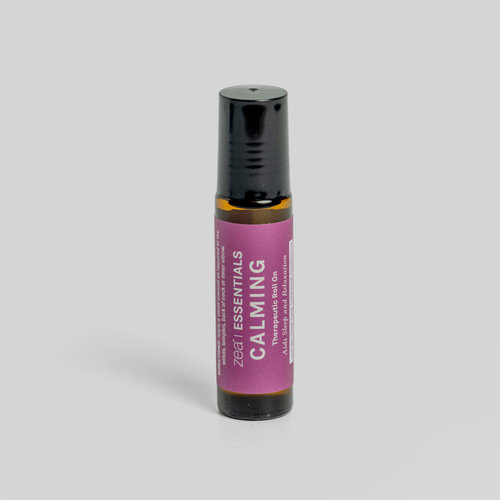
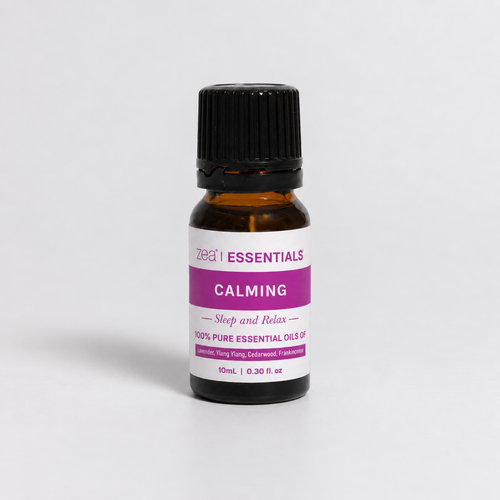
Aromatherapy can be easily added to your evening routine. Try diffusing essential oils in your bedroom or using Aromatherapy Mists, which can be sprayed into the air, onto pillows, or around your sleep space to create a calming atmosphere before bed.
The Importance of a Relaxing Night Routine
One of the most effective ways to help your body transition from stress to sleep is by creating a consistent evening routine that signals to your brain that it is time to wind down.
Simple habits that may help include:
-
Gentle stretching or movement: Light stretching can help release muscle tension built up throughout the day.
-
Limiting stimulating activities before bed: Reducing screen time and mentally demanding tasks in the hour before bed can help calm the nervous system.
-
Creating a calming environment: Dim lighting, comfortable bedding, and relaxing scents can help signal to your brain that it is time to sleep.
-
Using relaxation products: Using Zea’s Magnesium Oil Topical Spray, Concentrated Massage Oil, or Aromatherapy Mists to tense areas can help promote relaxation as part of your bedtime routine.
When Stress and Sleep Problems Continue
Occasional sleep difficulties are common, especially during periods of stress. However, if trouble sleeping becomes frequent or begins to affect daily functioning, it may be helpful to speak with a healthcare professional.
Chronic insomnia can have many underlying causes, including stress, anxiety, pain, or medical conditions. Addressing the root cause is often the most effective way to improve sleep.
Supporting Better Sleep Naturally
Stress and sleep are closely connected. When your body remains in a state of alertness, it becomes difficult to shift into the relaxed state required for sleep. By supporting your nervous system, releasing muscle tension, and creating a calming bedtime routine, you can help your body transition more easily into rest.
Small changes such as relaxing stretches, calming scents, or increasing magnesium intake can become helpful signals that it’s time for your body and mind to unwind.
References
-
Kalmbach, D. A., Anderson, J. R., & Drake, C. L. (2018). The impact of stress on sleep: Pathogenic sleep reactivity as a vulnerability to insomnia and circadian disorders. Journal of sleep research, 27(6), e12710. https://doi.org/10.1111/jsr.12710
-
American Psychological Association. (2013, January 1). Stress and sleep. https://www.apa.org/news/press/releases/stress/2013/sleep
-
Suni, E. (2025, July 10). Stress and insomnia. Sleep Foundation. https://www.sleepfoundation.org/insomnia/stress-and-insomnia
-
Dusang, K. (2019, May 9). How stress can affect your sleep. Baylor College of Medicine. https://www.bcm.edu/news/how-stress-can-affect-your-sleep
-
Slavich, G. M., & Irwin, M. R. (2014). From stress to inflammation and major depressive disorder: a social signal transduction theory of depression. Psychological bulletin, 140(3), 774–815. https://doi.org/10.1037/a0035302